

“I’ve learnt that the best projects are outcomes-driven and place social value and a shared community vision at their centre. I begin by listening—understanding expectations and co-creating the vision—then turn it into results through an evidence-led, research-informed and genuinely collaborative approach, from strategy through to delivery.”

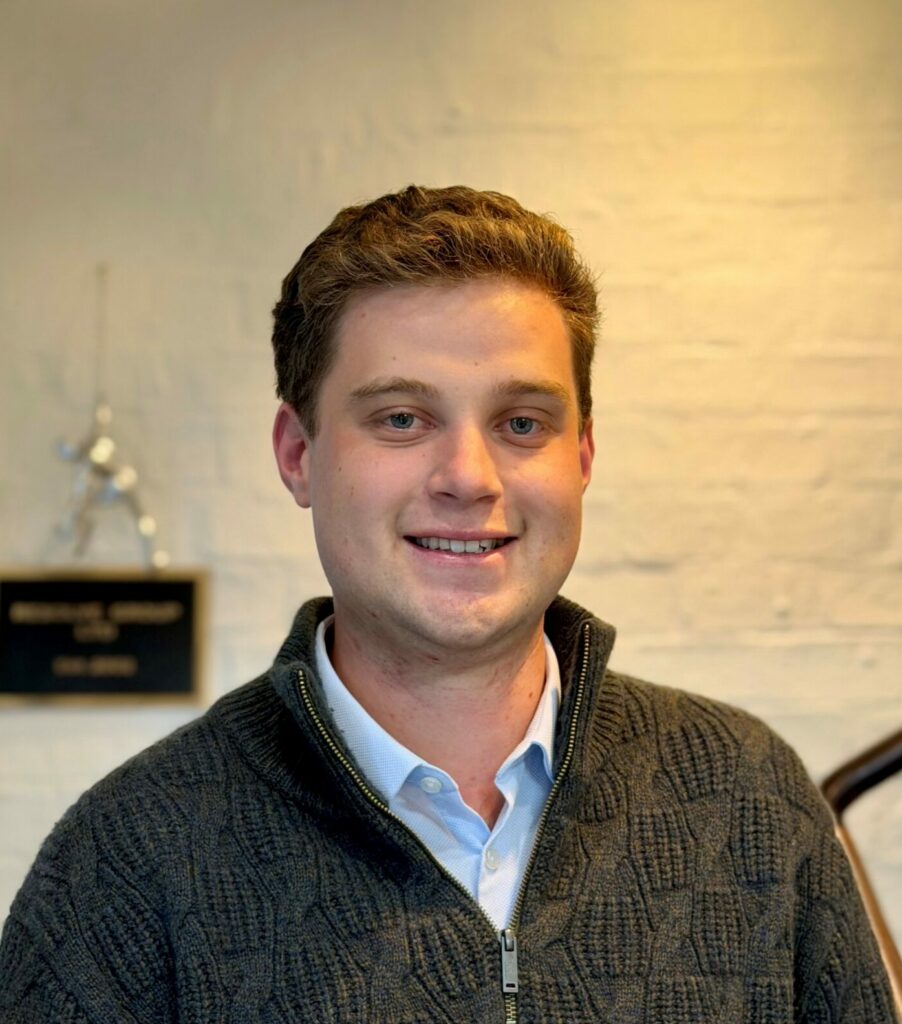
Johnson (Chen) Yang is a Senior Consultant at Resolve Group, having joined in August 2025, with more than eight years’ experience in New Zealand’s transport sector. He works end-to-end across the project lifecycle—from early advice and business cases through preliminary studies, detailed design, and delivery—helping public and private clients turn complex problems into practical, fit-for-purpose solutions. That whole-of-lifecycle view underpins his passion for innovation that makes transport systems safer, more efficient, and more intelligent—for today’s communities and future generations.

Johnson blends strategy with on-the-ground delivery. His work spans multimodal street and intersection design; Safe System audits and reviews; speed management; transport and Traffic Impact Assessments (TIAs); microsimulation and traffic modelling; and project and work-package management and assurance. He has completed more than 50 independent peer reviews of design drawings, TIAs, and Safe System Audits (SSAs). Alongside consulting, he is completing a part-time PhD at the University of Auckland on the safety of connected and automated vehicles in mixed traffic, applying data-driven approaches and emerging vehicle technologies.


What Johnson offers:

  • Transport planning and design—specialising in TIAs and modelling (microsimulation and intersection capacity analysis), plus concept-to-detailed design for intersections, corridors, cycleways, and bus hubs—grounded in Safe System principles to deliver practical, fit-for-purpose outcomes.
  • Independent peer review of design drawings, TIAs, and SSAs.
  • Project and work-package management and assurance—balancing time, cost, risk, and quality.
  • Clear, concise communication and governance that keep diverse stakeholders aligned from concept to completion.
  • Research-to-practice capability—turning evidence into actionable advice, including data analysis and the application of emerging technologies.

Outside work, Johnson enjoys tramping across Aotearoa’s trails. He’s an avid reader and film fan and spends low-key weekends exploring new walks and cafés with friends.

Guided by the whakataukī “I orea te tuatara ka patu ki waho”—a problem is solved by continuing to find solutions—Ruth brings curiosity, creativity, and clarity of purpose to every challenge, always seeking to improve the way we design, manage, and live within our built environments.

Ruth is a seasoned leader in Asset Management, with over 25 years of experience in both the public sector and commercial property industry across the UK and Aotearoa, New Zealand. She brings a depth of strategic insight and operational expertise, having led complex, transformational change programmes that have elevated asset portfolio performance, improved service delivery, and fostered a culture of innovation and continuous improvement.

Ruth is a strong and empathetic people leader, recognised for developing high-performing, purpose-driven teams. Her leadership style is grounded in authenticity, collaboration, and a commitment to professional growth—enabling individuals and teams to thrive in dynamic and complex environments.

A passionate advocate for sustainability and regenerative design, Ruth is driven by the belief that built environments must become responsible participants in natural systems—”doing less bad and more good.” Her work bridges the often-overlooked connection between engineered infrastructure and the people who use and maintain it. She champions a holistic view that recognises the critical role of facilities management in creating environments that support wellbeing, organisational effectiveness, and societal outcomes.

Ruth actively incorporates Te Ao Māori principles into her practice, respecting the interconnectedness of people, place, and environment. She acknowledges the value of mātauranga Māori in shaping approaches that honour whenua, enhance kaitiakitanga, and support collective aspirations. Her leadership is informed by a systems-thinking lens that integrates environmental stewardship, cultural values, and human infrastructure into enduring, meaningful outcomes.